











Doctor–Patient Appointment Ecosystem (Web, Android & iOS)
Summary
Santeware provides a digital doctor – patient appointment management platform designed to streamline healthcare access by connecting patients with doctors through a unified system across web, Android, and iOS platforms.
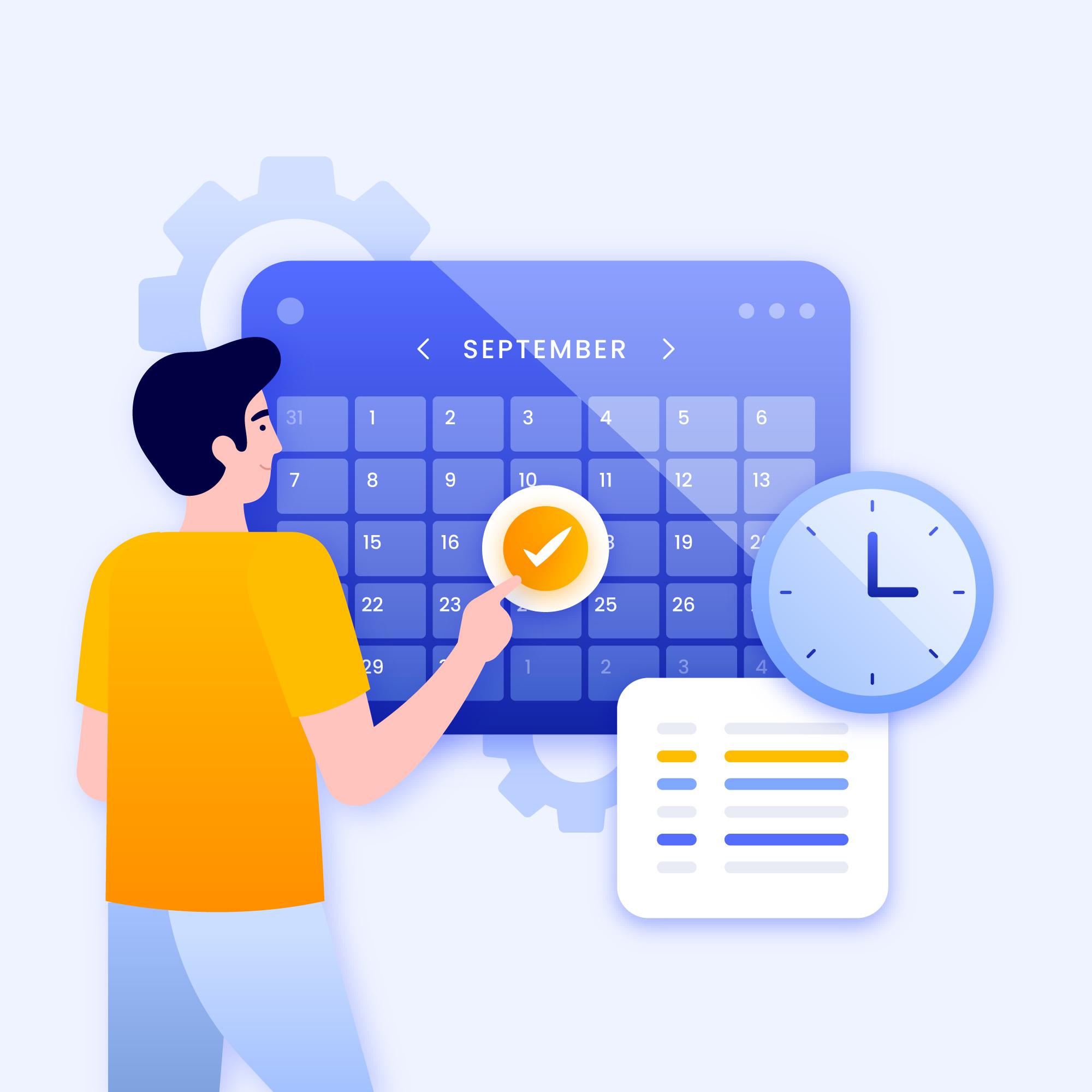
The solution digitizes the entire appointment lifecycle, including doctor discovery, slot booking, queue management, consultation tracking, video calling and follow-ups—eliminating inefficiencies in traditional appointment workflows.
About the Client
A U.S.-based healthcare organization providing healthcare technology initiative focused on enabling seamless interaction between patients and medical practitioners through a digital appointment ecosystem. The platform supports clinics, hospitals, and independent doctors by providing a centralized system for managing patient appointments, schedules, and clinical workflows.
The organization operates in a high-volume healthcare environment where efficient appointment scheduling, real-time availability management, and accurate patient flow directly impact service quality and patient satisfaction.
Prior to the implementation, appointment scheduling and patient coordination were largely handled through manual processes such as phone calls and on-site bookings. This led to operational inefficiencies, including scheduling conflicts, long patient waits times, and limited visibility into doctor availability.
The client required a scalable, digital-first solution that could streamline doctor–patient interactions, automate appointment workflows, and provide a unified experience across web and mobile platforms while ensuring reliability and real-time synchronization.
Problem Overview
Although existing systems supported basic appointment recording, critical workflows remained manual, fragmented, and highly dependent on front-desk coordination.
Operational Constraints
- Manual appointment booking via phone calls and walk-ins.
- Manual management of doctor schedules and availability.
- No structured system for patient queue or token management.
- Limited or no automated reminders for upcoming appointments.
- Difficulty in handling rescheduling and cancellations efficiently.
Technical Limitations
- Lack of a centralized system for real-time appointment synchronization.
- Disconnected platforms across web and mobile channels.
- Limited visibility into doctor availability and patient flow.
- No scalable architecture to support multi-clinic operations.
- Inefficient handling of concurrent bookings leading to conflicts.
Business Risk
- Increased administrative workload with growing patient volume.
- Higher patient wait times and reduced satisfaction.
- Missed appointments and revenue loss due to no-shows.
- Scheduling conflicts impacting doctor efficiency.
- Limited operational visibility across clinics and practitioners.
Solution Overview
A Doctor–Patient Appointment Ecosystem was developed with:
- Web Platform (Admin + Clinic + Doctor Panel)
- Android App (Patient + Doctor).
- iOS App (Patient + Doctor)
All systems are powered by a Santeware centralized backend with real-time synchronization, ensuring accurate scheduling and seamless communication.
Technology Architecture
| Layer | Technology |
| Frontend | React + TypeScript |
| Backend | Django |
| AI Engine | OpenAI GPT APIs |
| Integration | OSCAR EMR Web Components |
| Communication | window.postMessage |
| Form Automation | DOM polling & mutation observers |
The solution was designed to operate safely within the OSCAR EMR web environment while maintaining secure data communication between the assistant and the EMR interface.
What Santeware Built
Santeware developed an embedded AI assistant that functions as an intelligent workflow layer within the OSCAR EMR interface. The system analyses clinician-entered SOAP notes in real time and dynamically suggests or initiates relevant clinical actions.
Intelligent Clinical Action Detection
Using AI-driven natural language processing, the assistant analyses SOAP notes and identifies relevant clinical tasks.
Capabilities include:
- Detecting when prescriptions, labs, referrals, or patient education materials are needed
- Activating contextual action tabs dynamically
- Reducing unnecessary interface clutter by displaying only relevant options
This allows clinicians to move directly from documentation to action without manual navigation.
Automated Form Prefilling
The assistant automates form completion by generating structured data from clinical notes.
Key capabilities include:
- Automatic prescription generation with medication details, dosage, and instructions
- Lab and diagnostic requisition prefilling based on identified tests
- Referral letter generation including specialist information and clinical context
- Patient education handout generation based on consultation topics
Forms are opened and populated automatically within OSCAR EMR, allowing clinicians to review and approve before submission.
Seamless EMR Integration
The system was built with modular components to support future expansion.
Capabilities include:
- React-based modular UI components for clinical task workflows
- Dynamic prompt generation for different clinical actions
- Structured JSON outputs for labs, prescriptions, referrals, and summaries
- Intelligent form selection based on detected clinical intent
The architecture allows the assistant to evolve with additional clinical workflows and integrations.
Modular and Scalable Architecture
The system was built with modular components to support future expansion.
Capabilities include:
- React-based modular UI components for clinical task workflows
- Dynamic prompt generation for different clinical actions
- Structured JSON outputs for labs, prescriptions, referrals, and summaries
- Intelligent form selection based on detected clinical intent
The architecture allows the assistant to evolve with additional clinical workflows and integrations.
The Impact
The AI assistant significantly improved clinical workflow efficiency and reduced administrative burden for physicians.
- Up to 40% reduction in documentation and form-filling time
- Improved completeness of follow-up actions during patient visits
- High clinician adoption due to seamless EMR integration
- Reduced risk of missed labs, referrals, or prescriptions
- Scalable architecture capable of supporting additional specialties and EMR platforms
The solution enabled clinicians to focus more on patient care rather than administrative tasks.
Conclusion
Santeware delivered an embedded AI assistant that transforms the OSCAR EMR experience by combining real-time clinical intelligence with workflow automation.
By integrating AI-driven note analysis, automated form prefilling, and seamless EMR interaction, the system streamlines clinical workflows while preserving physician oversight and patient safety.
This implementation demonstrates how embedded AI can modernize EMR systems and significantly enhance efficiency in primary care environments.